
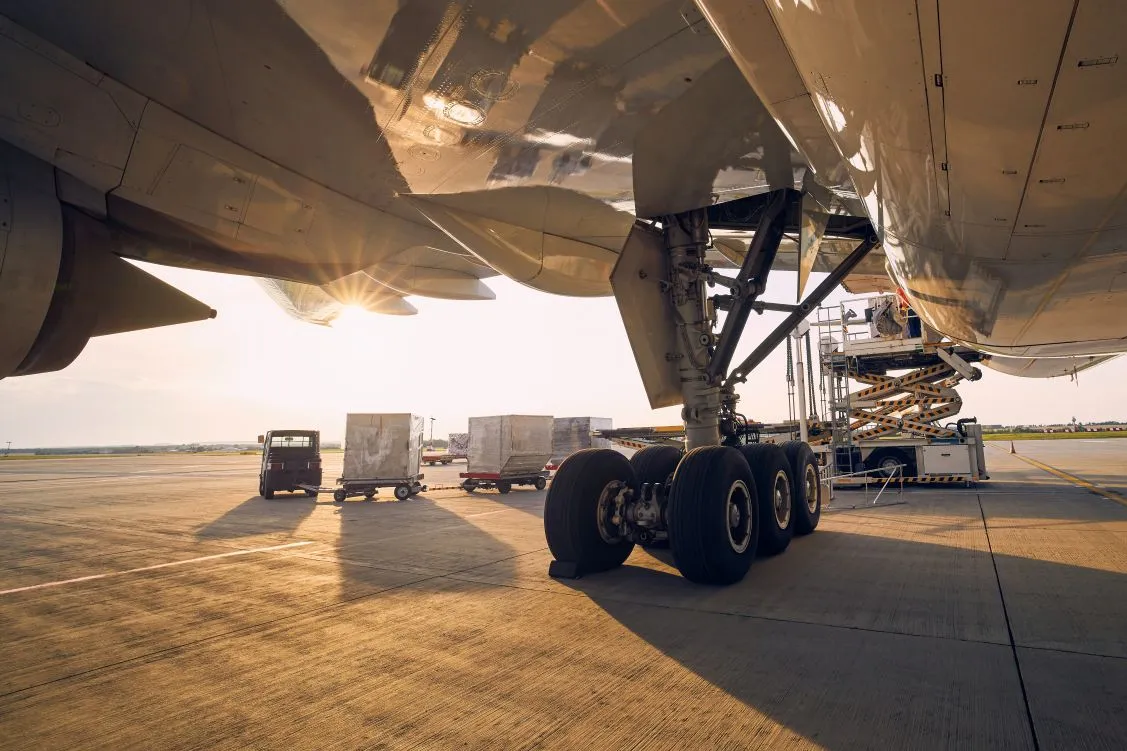
Choosing the right mode of transportation is one of the most important decisions any supply chain manager, importer, exporter, or logistics professional can make. Any air freight comparison will tell you that every shipment involves balancing speed, cost, reliability, inventory management, customer expectations, and operational risk. While ocean freight remains the preferred option for many large-volume shipments, air cargo has become an increasingly strategic solution for businesses operating in today’s fast-moving global economy.
An effective air freight comparison goes far beyond comparing shipping prices. Modern logistics leaders evaluate transportation based on the total value it creates throughout the supply chain. Delivery speed, inventory turnover, working capital, customer satisfaction, and business continuity all play a significant role in determining which transportation mode delivers the greatest return on investment.
As global commerce continues evolving through ecommerce, just-in-time manufacturing, and increasingly complex international supply chains, a comprehensive air freight comparison with ocean shipping has never been more important.
Why Transportation Decisions Matter More Than Ever
Supply chains today operate under very different conditions than they did only a decade ago.
Businesses now face:
- Shorter customer delivery expectations
- Global supplier networks
- Lean inventory strategies
- Increased market volatility
- Higher customer service requirements
These changes have transformed transportation into a strategic business decision rather than simply a logistics expense.
An accurate air freight comparison helps businesses evaluate transportation based on overall supply chain performance instead of freight cost alone.
Organizations such as the International Air Transport Association (IATA) continue highlighting the growing role of air cargo in supporting high-value, time-sensitive global trade.
Air Cargo and Ocean Freight Serve Different Business Objectives
One of the biggest misconceptions in logistics is that air cargo and ocean freight compete directly.
In reality, they solve different business challenges.
Ocean freight generally focuses on:
- Lower transportation cost
- Large shipment volumes
- Long-term inventory planning
- Non-urgent cargo
Air cargo focuses on:
- Speed
- Reliability
- Inventory optimization
- Time-sensitive freight
- High-value shipments
A proper air freight comparison should begin by understanding the shipment’s business objective rather than simply evaluating freight rates.
Speed: Air Cargo’s Greatest Competitive Advantage
The most obvious difference between air cargo and ocean freight is transit time.
When making an air freight comparison, it’s clear that international air shipments often arrive within days, while ocean shipments may require several weeks depending on origin, destination, port congestion, customs processing, and inland transportation.
This difference significantly affects:
- Inventory availability
- Production schedules
- Customer service
- Revenue generation
Businesses relying on fast inventory replenishment frequently discover that transportation speed creates financial value far beyond the additional freight expense.
As discussed in our previous article, Air Cargo in 2026: Why Speed, Reliability, and Capacity Matter More Than Ever, speed has become one of the most valuable competitive advantages in modern supply chains.
Reliability Creates Predictable Supply Chains
While speed often receives the most attention, reliability is equally important.
Businesses need transportation providers capable of maintaining predictable schedules regardless of market conditions.
Reliable logistics operations help organizations:
- Improve production planning
- Reduce inventory uncertainty
- Increase customer satisfaction
- Strengthen supplier relationships
Air cargo generally offers more predictable transit schedules because flights operate more frequently and experience fewer extended delays than maritime transportation.
This is one of the strongest conclusions reached during any comprehensive air freight comparison.
Operational consistency is also discussed in our previous article, Air Cargo Performance After Peak Season: What Shippers Should Know, where we explain how reliable transportation strengthens long-term supply chain performance.
Inventory Costs Are Often Overlooked
Many businesses evaluate transportation cost without considering inventory carrying expenses.
Longer transportation times frequently require companies to maintain:
- Higher inventory levels
- Larger warehouse facilities
- Additional insurance
- Increased working capital
- Greater inventory financing
Reducing transit time allows organizations to lower inventory carrying costs while improving inventory turnover.
For many businesses, these savings significantly offset higher transportation expenses.
This represents one of the most important conclusions in any air freight comparison.
Our article, The Economics of Air Cargo: When Speed Creates More Value Than Cost Savings, explores this relationship in greater detail by examining the total financial impact of transportation decisions.
Working Capital Moves Faster with Air Cargo
Every shipment represents capital invested in inventory.
The sooner products arrive, the sooner businesses can:
- Sell products
- Generate revenue
- Replenish inventory
- Respond to customer demand
Air cargo allows businesses to reduce inventory cycles while improving cash flow.
For industries operating under lean inventory strategies, transportation speed directly supports financial performance.
This relationship between logistics and business value has become one of the defining characteristics of modern air freight comparison studies.
Time-Sensitive Cargo Requires Air Transportation
Not every shipment can tolerate long transportation times.
Industries frequently relying on air cargo include:
- Pharmaceuticals
- Aerospace
- Automotive
- Electronics
- Medical equipment
- High-value industrial goods
- Ecommerce
For these businesses, delayed transportation may create operational costs significantly higher than premium freight charges.
As discussed in How Sunrise Air Cargo Handles Time-Critical and High-Value Shipments, protecting business continuity often creates substantially greater value than minimizing transportation costs.
Ecommerce Continues Changing Transportation Decisions
The growth of cross-border ecommerce has permanently changed customer expectations.
Consumers increasingly expect:
- Faster deliveries
- Accurate shipment tracking
- Reliable delivery dates
- International availability
These expectations have made transportation speed one of the most important competitive differentiators.
Businesses serving ecommerce customers increasingly rely on air cargo to maintain inventory availability while reducing delivery times.
As discussed in Why Air Freight Remains Critical for Time-Sensitive Ecommerce, fast transportation has become essential for supporting modern fulfillment strategies.
Visibility and Shipment Control
Transportation today requires much more than simply moving cargo.
Businesses increasingly demand:
- Real-time shipment tracking
- Accurate delivery estimates
- Operational transparency
- Immediate disruption notifications
An air freight comparison reveals that air cargo providers often offer greater shipment visibility throughout the transportation process, allowing businesses to make faster operational decisions.
This capability strengthens supply chain planning while reducing uncertainty.
As explored in our article on Air Cargo Visibility, digital visibility has become one of the most valuable tools available in modern logistics.
Research from Statista highlights the continued digital transformation occurring across transportation and supply chain operations worldwide.
Capacity and Network Flexibility
Capacity availability continues influencing transportation decisions throughout global logistics.
While ocean freight generally offers significant volume capacity, air cargo provides greater flexibility for urgent shipments and changing demand.
Dedicated freighter operations help businesses respond quickly to:
- Seasonal demand
- Inventory shortages
- Production disruptions
- Emergency shipments
Efficient capacity planning is discussed further in Network Optimization in Air Cargo: Routes, Capacity, and Demand, where we examine how route optimization and aircraft deployment strengthen logistics performance.
Cost: Looking Beyond the Freight Rate
One of the primary reasons companies choose ocean freight over air freight is its lower transportation cost per kilogram or per container. When making an air freight comparison, ocean transportation consistently comes out as the more economical solution for large, non-urgent shipments.
However, an effective air freight comparison should evaluate the total landed cost rather than the freight rate alone.
Transportation decisions influence many additional business expenses, including:
- Inventory carrying costs
- Warehouse space requirements
- Working capital
- Insurance
- Product availability
- Production continuity
- Customer satisfaction
When these factors are included, air cargo frequently delivers greater overall business value despite its higher transportation cost.
Organizations that conduct an air freight comparison from a total cost perspective often discover that speed creates measurable financial returns throughout the supply chain.
Risk Management and Supply Chain Resilience
Supply chain disruptions have become increasingly common over the past several years.
Port congestion, labor shortages, severe weather, geopolitical events, customs delays, and changing market conditions can significantly affect transportation performance.
One important conclusion from any air freight comparison is that transportation should also be evaluated based on risk reduction.
Air cargo helps organizations reduce operational risk by providing:
- Faster recovery from disruptions
- Alternative routing options
- Reduced exposure to port congestion
- Greater schedule flexibility
- Improved shipment predictability
Businesses operating in highly competitive markets often rely on an air freight comparison to secure the advantages essential for maintaining customer commitments and protecting revenue.
Sustainability: Finding the Right Balance
Sustainability has become a major priority across the logistics industry.
While an air freight comparison shows that ocean freight generally produces lower emissions per ton transported over long distances, overall environmental performance depends on the complete supply chain rather than transportation mode alone.
Businesses can improve sustainability by:
- Reducing unnecessary inventory
- Optimizing transportation routes
- Improving warehouse efficiency
- Selecting the most appropriate transportation mode for each shipment
Rather than viewing sustainability as a simple “air versus ocean” debate, many organizations now use air freight comparison to select the most efficient logistics solution for each specific shipment.
Organizations such as the International Civil Aviation Organization continue promoting initiatives that improve operational efficiency throughout the aviation industry.
Which Shipments Are Best Suited for Air Cargo?
Air cargo delivers the greatest value when speed, reliability, and cargo security directly support business objectives.
Typical examples include:
- Pharmaceutical products
- Medical devices
- Aircraft components
- Automotive parts
- Electronics
- High-value industrial equipment
- Luxury goods
- Perishable products
- Urgent replacement inventory
- Ecommerce shipments
In these situations, the value created by faster transportation frequently exceeds the additional freight cost.
As explored in The Economics of Air Cargo: When Speed Creates More Value Than Cost Savings, businesses increasingly evaluate transportation based on operational performance instead of shipping price alone.
Which Shipments Are Better Suited for Ocean Freight?
Ocean freight remains an excellent solution for cargo that is:
- High volume
- Lower value
- Non-urgent
- Less sensitive to transit time
- Planned well in advance
Examples include:
- Raw materials
- Construction materials
- Industrial commodities
- Bulk consumer goods
- Large manufacturing equipment
- Seasonal inventory ordered months ahead
Ocean transportation allows businesses to reduce freight expenses when delivery speed is not a primary concern.
The key is selecting the transportation method that aligns with overall supply chain objectives.
Air Cargo and Ocean Freight Often Work Together
One of the biggest misconceptions is that businesses must choose one transportation mode exclusively.
In reality, many successful supply chains combine both.
For example:
- Ocean freight moves regular inventory replenishment.
- Air cargo supports urgent orders.
- Ocean handles bulk shipments.
- Air freight protects production continuity.
- Ocean reduces transportation cost.
- Air freight improves responsiveness.
This multimodal strategy allows organizations to optimize both cost and service performance.
As discussed in Network Optimization in Air Cargo: Routes, Capacity, and Demand, combining transportation modes strategically helps businesses build more resilient and efficient logistics networks.
The Role of Aircraft in Air Cargo Performance
The efficiency of an air cargo operation also depends on the aircraft supporting it.
Aircraft characteristics influence:
- Payload capacity
- Transit efficiency
- Route flexibility
- Operational reliability
- Cargo handling performance
At Sunrise Air Cargo, the Boeing 767-300ER provides an ideal balance between operational efficiency and international cargo capability.
Readers interested in learning more can continue with Inside the B767-300ER: The Aircraft Powering Reliable Cargo Operations, where we explain how aircraft design contributes to dependable logistics performance.
You can also explore Powered by the B767-300ER: The Aircraft Behind Reliable Air Cargo Operations for additional insight into the operational advantages of this freighter platform.
Visibility Creates Better Decision-Making
Transportation performance depends not only on speed but also on access to information.
Modern logistics requires:
- Real-time shipment tracking
- Accurate estimated arrival times
- Exception management
- Operational transparency
These capabilities help businesses make faster decisions while improving customer communication.
As discussed in our article on Air Cargo Visibility, digital visibility has become one of the most valuable investments organizations can make in strengthening supply chain performance.
How Sunrise Air Cargo Supports Modern Supply Chains
At Sunrise Air Cargo, we understand that transportation decisions affect much more than delivery schedules.
They influence inventory availability, customer satisfaction, production efficiency, and business growth.
Our approach focuses on providing logistics solutions that maximize value through:
- Dedicated Boeing 767-300ER freighter operations
- Reliable international cargo services
- Flexible charter solutions
- Time-sensitive shipment expertise
- Advanced shipment visibility
- Consistent operational performance
- Strategic capacity management
Whether customers require scheduled freight services or urgent transportation for critical shipments, Sunrise Air Cargo helps businesses improve supply chain performance. Our air freight comparison tools and dependable air cargo solutions ensure you always get the best rates and services for your needs.
Making the Right Transportation Decision
Every shipment should begin with one question:
What creates the greatest value for my business?
When making an air freight comparison, air cargo frequently emerges as the strongest choice for shipments that are highly time-sensitive, support production continuity, protect customer commitments, or generate significant revenue.
If the shipment is large, less time-sensitive, and planned well in advance, ocean freight may provide greater cost efficiency.
Understanding these trade-offs is the foundation of a meaningful air freight comparison.
Rather than viewing transportation as simply a logistics expense, organizations should evaluate how transportation contributes to overall business performance.
Final Thoughts
There is no universal answer to whether air cargo or ocean freight is better.
Each transportation mode offers distinct advantages depending on the shipment, industry, and business objectives.
A comprehensive air freight comparison demonstrates that the right choice depends on balancing speed, cost, reliability, inventory management, customer expectations, and operational risk.
As supply chains continue evolving, businesses that use an air freight comparison to evaluate transportation based on total business value—not freight rates alone—will be better positioned to improve efficiency, strengthen resilience, and remain competitive in global markets.
At Sunrise Air Cargo, we help customers navigate the air freight comparison process with confidence by delivering reliable air freight solutions designed to support today’s modern supply chains while creating measurable value beyond transportation itself.