
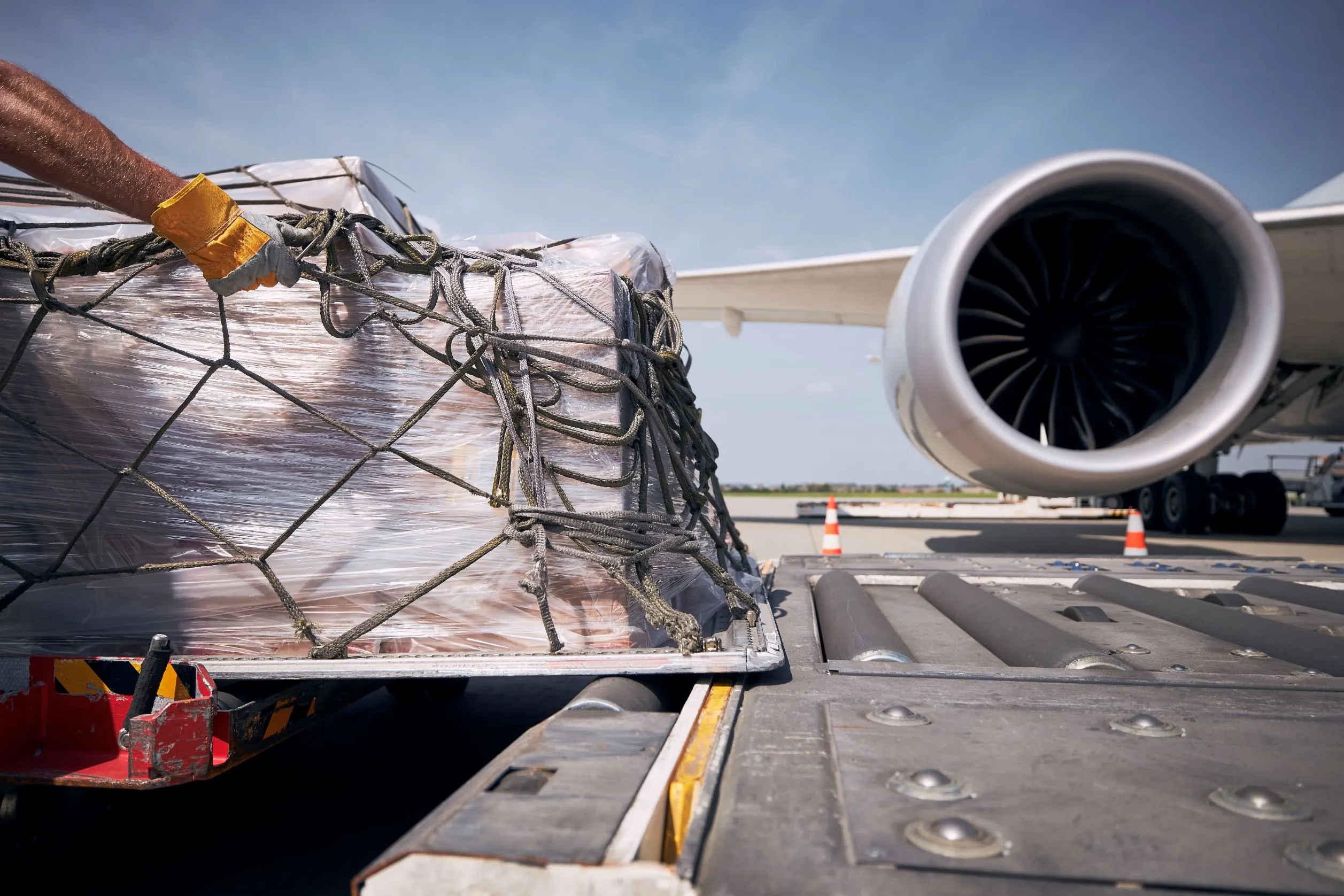
In today’s global logistics environment, companies are constantly navigating a critical trade-off: how to move goods quickly while maintaining cost efficiency. For businesses relying on air freight, finding the right balance between speed and cost is essential for maintaining competitive and resilient supply chains.
While air transport offers unmatched transit times, it is also one of the most premium logistics solutions available. As a result, managing air cargo cost while preserving operational speed has become a key priority for shippers across industries, particularly in sectors such as e-commerce, pharmaceuticals, and high-value manufacturing.
Understanding how to optimize this balance allows businesses to improve logistics performance, protect margins, and maintain reliable delivery timelines.
The Fundamental Trade-Off: Speed vs Cost
Air freight is widely recognized as the fastest mode of international transportation. However, that speed comes at a price. The challenge for logistics decision-makers is determining when speed justifies higher transportation costs.
From an operational perspective, air cargo cost is influenced by multiple factors, including:
- Fuel prices and surcharges
- Aircraft availability and capacity
- Shipment weight and volume
- Route complexity and distance
- Urgency of delivery
While faster delivery often increases costs, delaying shipments to save money can create downstream inefficiencies, including lost sales, production delays, or inventory shortages.
Balancing these factors effectively is essential for optimizing supply chain performance.
Why Speed Still Matters in Air Cargo
Despite cost considerations, speed remains a critical requirement for many industries. In modern supply chains, delays can quickly translate into significant financial impact.
Time-Sensitive Shipments
Industries such as healthcare, aerospace, and automotive depend on rapid delivery of critical components. In these cases, air cargo cost becomes secondary to maintaining operational continuity.
E-commerce Fulfillment
Online retail has significantly increased demand for fast delivery. Consumers expect short delivery windows, making speed a key competitive differentiator. As discussed in previous Sunrise Air Cargo insights, time-sensitive fulfillment depends heavily on air freight capabilities.
Inventory Efficiency
Faster transportation allows companies to reduce inventory holding costs. By leveraging speed, businesses can operate leaner supply chains, offsetting higher air cargo cost through improved inventory turnover.
Understanding the True Cost of Air Cargo
When evaluating logistics strategies, it is important to look beyond transportation rates alone. The true impact of air cargo cost includes both direct and indirect factors.
Direct Costs
These include:
- Freight charges
- Fuel surcharges
- Handling and airport fees
- Security and compliance costs
Indirect Costs
Indirect costs can often outweigh transportation expenses:
- Inventory holding costs
- Lost sales due to stockouts
- Production downtime
- Customer dissatisfaction
Organizations such as the World Bank emphasize the importance of logistics performance in driving economic efficiency and trade competitiveness.
https://www.worldbank.org
By considering both direct and indirect costs, companies can better understand the value of speed in their logistics strategies.
Strategies to Balance Air Cargo Cost and Speed
Achieving the right balance requires a strategic approach that aligns transportation decisions with business objectives.
1. Segment Shipments by Priority
Not all shipments require the same level of urgency. Companies can reduce air cargo cost by categorizing shipments based on priority:
- Critical shipments → air freight or charters
- Standard shipments → consolidated air cargo
- Non-urgent shipments → ocean or multimodal
This segmentation allows businesses to allocate resources more efficiently.
2. Use Consolidation Strategies
Consolidating shipments can significantly reduce air cargo cost without sacrificing speed.
By combining multiple shipments into a single load, companies can:
- Lower per-unit transportation costs
- Optimize aircraft space utilization
- Improve overall efficiency
Consolidation is particularly effective for companies shipping regularly between the same trade lanes.
3. Leverage Flexible Routing
Routing decisions play a major role in determining both speed and cost. Direct flights may offer faster transit times but often come at a higher price.
Using alternative routes or secondary hubs can help reduce air cargo cost while maintaining acceptable delivery timelines.
4. Optimize Packaging and Weight
Air freight pricing is heavily influenced by weight and volume. Reducing dimensional weight through optimized packaging can significantly impact air cargo cost.
Small improvements in packaging efficiency can lead to meaningful cost savings over time.
5. Plan Ahead When Possible
Advance planning allows companies to secure better rates and avoid last-minute premiums.
While urgent shipments will always require rapid transport, proactive planning helps minimize unnecessary increases in air cargo cost.
The Role of Charter Solutions
Charter flights offer a unique opportunity to balance speed and cost in certain scenarios. While charters are often perceived as expensive, they can provide cost efficiencies for specific shipment types.
Charters can be advantageous when:
- Moving large volumes of cargo
- Transporting oversized or specialized goods
- Managing time-critical shipments
In these cases, the ability to control routing and scheduling can help optimize both speed and air cargo cost.
Industry insights from air cargo publications highlight the increasing role of charter solutions in supporting flexible logistics strategies.
https://www.aircargoweek.com
Technology and Data-Driven Decision Making
Modern logistics relies heavily on data analytics to improve decision-making. Technology allows companies to evaluate trade-offs between speed and cost more effectively.
Key tools include:
- Transportation management systems (TMS)
- Real-time shipment tracking
- Predictive analytics for demand forecasting
These tools help companies monitor air cargo cost trends and make informed decisions about routing, capacity, and timing.
Market Conditions and Their Impact
External factors play a significant role in shaping air cargo markets. Changes in global demand, fuel prices, and economic conditions can all impact air cargo cost.
According to data from the International Air Transport Association, fluctuations in capacity and demand significantly influence pricing dynamics in the air cargo industry.
https://www.iata.org
Understanding these market trends allows companies to adjust strategies and maintain cost efficiency.
Sustainability and Cost Efficiency
Sustainability initiatives are increasingly influencing logistics strategies. Airlines are investing in more efficient aircraft and sustainable aviation fuels to reduce environmental impact.
These improvements also contribute to long-term cost efficiency by reducing fuel consumption and improving operational performance.
Organizations such as ICAO continue to support sustainable aviation practices that benefit both the environment and the efficiency of air cargo operations.
https://www.icao.int
As sustainability efforts evolve, they will play an important role in shaping future air cargo cost structures.
Why Strategic Partnerships Matter
Balancing speed and cost requires collaboration with experienced logistics partners. Air cargo providers with strong global networks and operational expertise can help businesses navigate complex logistics challenges.
Working with specialized providers enables companies to:
- Access flexible capacity solutions
- Optimize routing strategies
- Manage time-critical shipments effectively
Strong partnerships ensure that air cargo cost is managed strategically while maintaining high service levels.
Connecting Speed, Cost, and Performance
Balancing cost and speed is not about choosing one over the other—it is about optimizing both simultaneously.
As highlighted in previous Sunrise Air Cargo insights on air cargo performance, operational efficiency depends on aligning transportation strategies with broader supply chain objectives.
By integrating cost management with performance metrics, companies can build more resilient and efficient logistics networks.
Final Thoughts
In global logistics, speed and cost are two sides of the same equation. While air freight offers unmatched delivery speed, managing air cargo cost effectively is essential for maintaining profitability and operational efficiency.
By adopting strategic planning, leveraging technology, and working with experienced partners, businesses can find the right balance between speed and cost.
In a world where supply chains are becoming increasingly complex, optimizing this balance is no longer optional—it is a critical component of long-term success.