
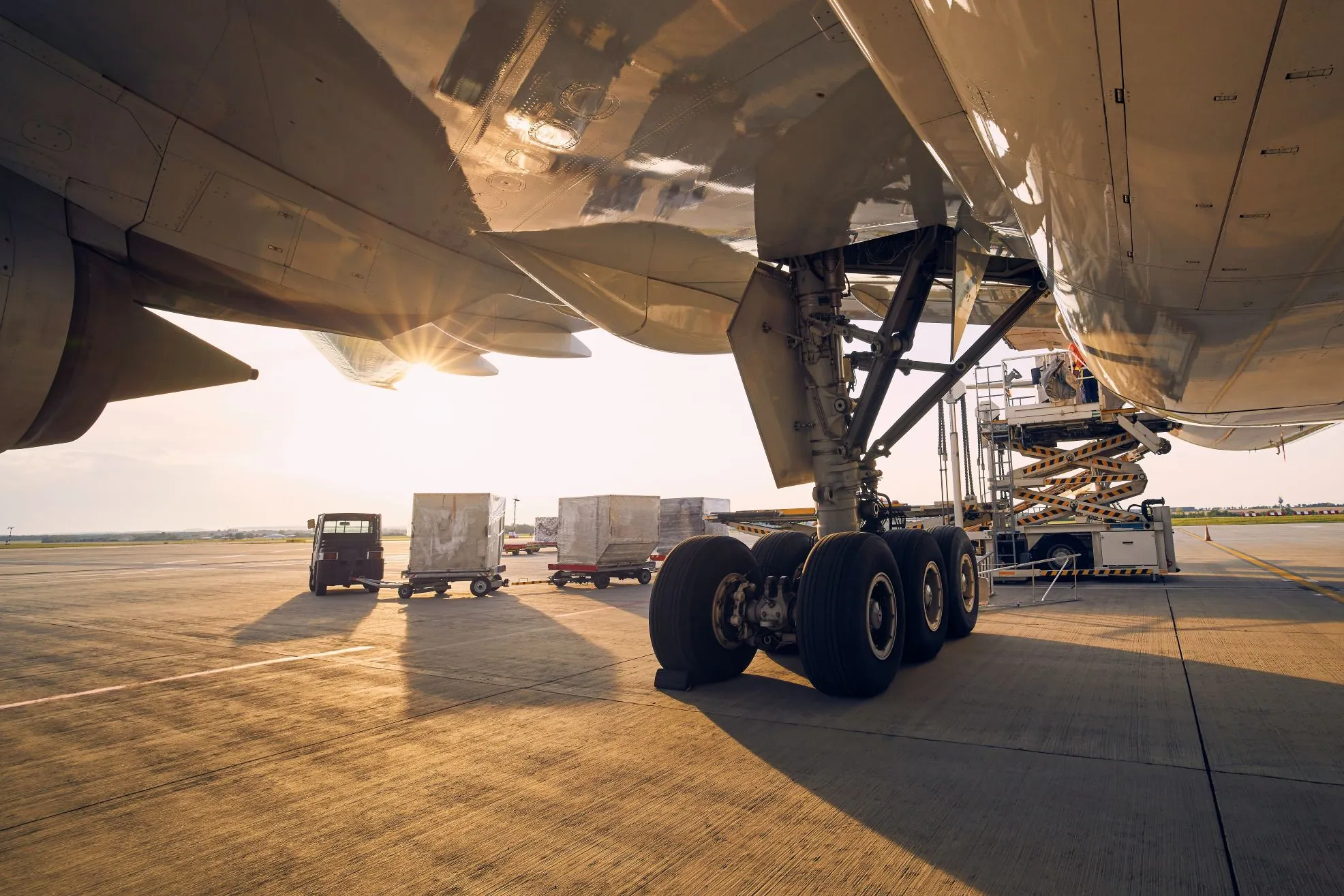
In a world where speed and flexibility define logistics success, standard shipping options are not always enough. For urgent, high-value, or complex shipments, air cargo charter services provide a powerful solution that ensures control, speed, and reliability.
As global supply chains become more dynamic, businesses increasingly rely on air cargo charter solutions to handle time-critical shipments, capacity shortages, and specialized cargo requirements.
What Is Air Cargo Charter?
An air cargo charter involves renting an entire aircraft to transport goods directly from origin to destination.
Unlike scheduled air freight, charter services offer:
- Dedicated aircraft
- Flexible routing
- Customized schedules
- Priority handling
This makes charters the ideal solution for urgent logistics needs.
Why Businesses Use Air Cargo Charter
1. Urgent Shipments
When time is critical, waiting for scheduled flights is not an option. Air cargo charter ensures immediate transport.
2. Capacity Constraints
During peak seasons or disruptions, capacity can become limited. Charter services guarantee available space when needed.
3. Specialized Cargo
Certain shipments require special handling, including:
- Pharmaceuticals
- Heavy equipment
- Dangerous goods
Charters provides the flexibility needed for these shipments.
Key Advantages of Air Cargo Charter
Speed and Efficiency
Charter flights eliminate delays associated with standard schedules, ensuring faster delivery.
Full Control
Companies can control every aspect of the shipment, from departure time to routing.
Flexibility
Charters can operate from a wide range of airports, providing greater logistical flexibility.
Reliability
By avoiding congestion and delays, charters improves overall delivery reliability.
Industries That Rely on Charter Services
Several industries depend on air cargo charter solutions:
- Aerospace (AOG shipments)
- Healthcare and pharmaceuticals
- E-commerce
- Automotive manufacturing
These industries require speed and precision that only charter services can provide.
Charter vs Scheduled Air Freight
While both options use air transport, charters offers advantages over scheduled services:
- Immediate availability
- Dedicated capacity
- Customized routing
Scheduled freight, on the other hand, is better suited for regular shipments.
Cost Considerations
Charter services are typically more expensive than standard air freight. However, the value they provide often outweighs the cost.
Companies must consider:
- Cost of delays
- Lost revenue
- Operational disruptions
In many cases, air cargo charter is the most cost-effective solution for urgent shipments.
The Role of Technology
Technology is improving how charter services are managed.
Digital platforms allow companies to:
- Book charters quickly
- Track shipments in real time
- Optimize routing
These advancements enhance the efficiency of air cargo charter operations.
Market Trends
The demand for charter services continues to grow due to increasing global trade and e-commerce activity.
Industry insights from platforms such as Statista highlight the expansion of air cargo markets worldwide.
This growth reinforces the importance of air cargo charter solutions.
Sustainability Considerations
As sustainability becomes more important, charter operators are adopting more efficient aircraft and operational practices.
Organizations such as the International Civil Aviation Organization support initiatives aimed at reducing environmental impact.
Strategic Role in Air Cargo Networks
Charter services play a key role in supporting overall air cargo operations.
They provide:
- Backup capacity
- Emergency logistics solutions
- Support for network optimization
This connects directly with previous Sunrise Air Cargo blogs on capacity and network strategies.
Final Thoughts
In today’s fast-moving logistics environment, flexibility and speed are essential. Air cargo charter services provide the agility needed to respond to urgent demands and maintain supply chain continuity.
For businesses operating in the complexities of global markets, charter solutions represent much more than a mere alternative to standard shipping; they are a critical and strategic component of modern logistics. By offering unparalleled flexibility, speed, and reliability, these tailored transportation options enable companies to navigate supply chain disruptions, meet tight deadlines, and access remote locations that traditional routes cannot serve, solidifying their role as an indispensable tool for international trade.