
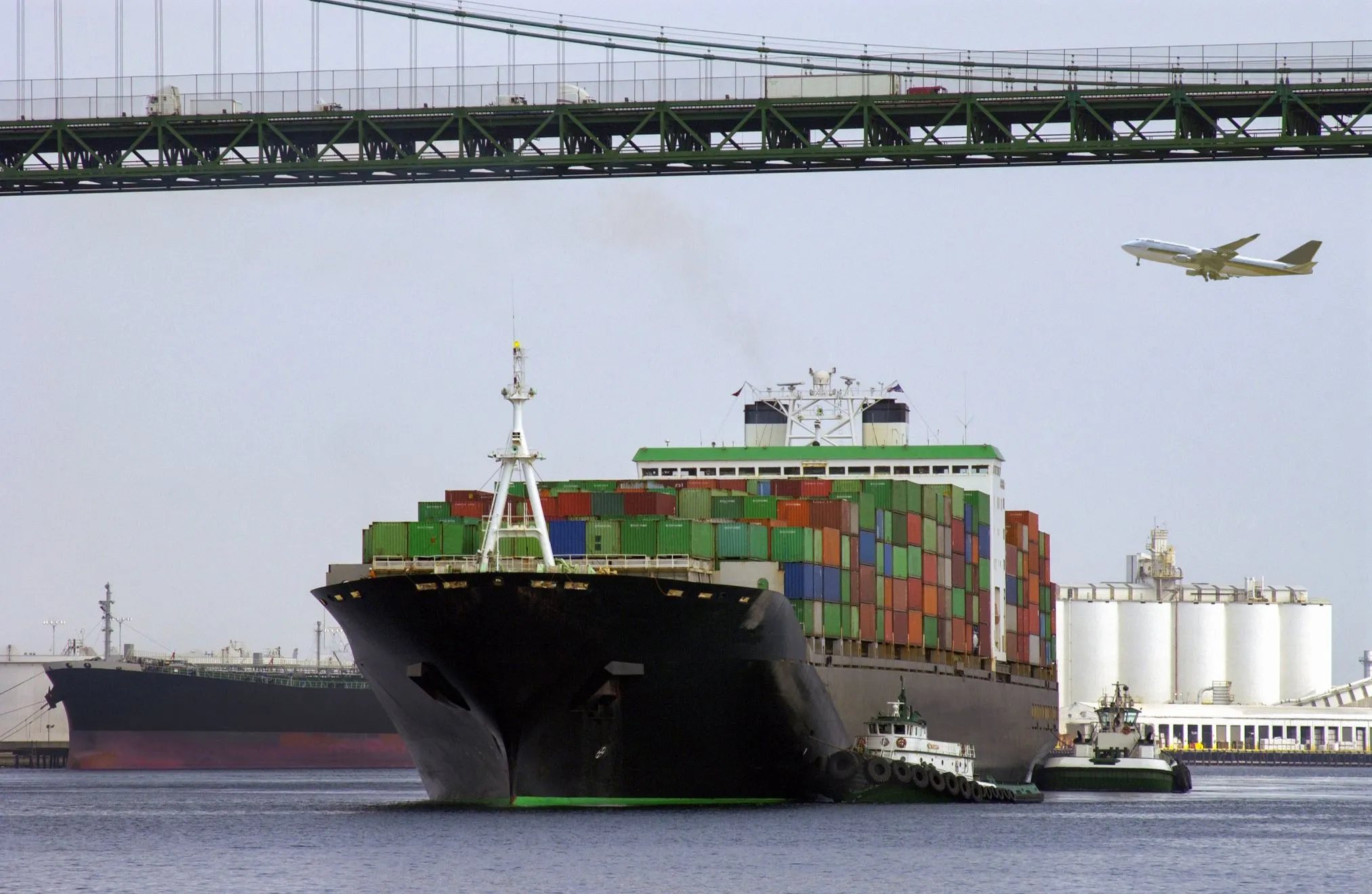
As global e-commerce continues to expand, businesses must make critical decisions about how to move goods efficiently across international markets. One of the most important decisions involves choosing between air vs ocean freight, two transportation modes with distinct advantages and limitations.
For companies operating in fast-paced online retail environments, selecting the right shipping method directly impacts delivery speed, customer satisfaction, and overall supply chain performance. Understanding the differences between air vs ocean freight is essential for optimizing logistics strategies and maintaining competitiveness.
Understanding Air vs Ocean Freight
At a fundamental level, air vs ocean freight represents a trade-off between speed and cost.
- Air freight offers rapid delivery across long distances
- Ocean freight provides cost-effective transportation for large volumes
Each option plays a vital role in global supply chains, and choosing between them depends on shipment priorities, product type, and delivery timelines.
Organizations such as the International Air Transport Association highlight how air cargo supports high-value and time-sensitive shipments, while ocean freight dominates bulk transportation.
Speed: The Defining Advantage
The most significant difference in air vs ocean freight is transit time.
Air Freight Speed
Air cargo can deliver goods internationally within hours or days. This makes it ideal for:
- Time-sensitive shipments
- E-commerce fulfillment
- Urgent inventory replenishment
Ocean Freight Transit
Ocean shipping typically takes weeks depending on the route. While slower, it remains suitable for:
- Non-urgent shipments
- Bulk goods
- Long-term inventory planning
For e-commerce businesses, speed often determines customer satisfaction, making air vs ocean freight a critical decision factor.
Cost Considerations
Cost is another key factor when comparing air vs ocean freight.
Air Freight Costs
Air cargo is generally more expensive due to:
- Fuel consumption
- Aircraft operating costs
- Limited capacity
However, the higher cost can be offset by faster inventory turnover and reduced warehousing expenses.
Ocean Freight Costs
Ocean shipping is significantly more cost-effective for large shipments. It allows companies to move high volumes at lower rates, making it ideal for bulk logistics.
Balancing cost and speed is essential when choosing between air vs ocean freight, especially for e-commerce operations.
Reliability and Predictability
Reliability plays a major role in logistics performance.
Air Freight Reliability
Airlines operate structured schedules, which improves predictability. This makes air cargo highly reliable for meeting tight delivery deadlines.
Ocean Freight Variability
Ocean shipping is more susceptible to delays caused by:
- Port congestion
- Weather conditions
- Customs clearance
As a result, air vs ocean freight decisions often favor air transport for time-critical shipments.
Inventory Management Impact
Inventory strategy is directly influenced by transportation mode.
Air Freight Advantage
With faster transit times, companies can:
- Maintain lower inventory levels
- Reduce storage costs
- Respond quickly to demand
Ocean Freight Limitation
Longer transit times require:
- Higher inventory levels
- Advanced planning
- Greater storage capacity
For e-commerce businesses, air vs ocean freight decisions significantly impact inventory efficiency.
Environmental Considerations
Sustainability is becoming increasingly important in logistics.
Organizations such as the International Civil Aviation Organization are working to improve environmental performance in aviation.
While ocean freight generally has a lower carbon footprint per unit, air cargo continues to evolve with more efficient aircraft and sustainable aviation fuel initiatives.
Balancing environmental impact is another factor in air vs ocean freight decisions.
When to Choose Air Freight
Air freight is the preferred option when:
- Delivery speed is critical
- Products are high-value
- Demand is unpredictable
- Inventory must move quickly
As discussed in previous Sunrise Air Cargo blogs on ecommerce logistics, air vs ocean freight decisions often favor air transport for fast-moving supply chains.
When to Choose Ocean Freight
Ocean freight is ideal when:
- Cost is the primary concern
- Shipments are large or heavy
- Delivery timelines are flexible
- Inventory planning is stable
In many cases, companies use a combination of both methods.
Hybrid Logistics Strategies
Many businesses adopt hybrid strategies that combine air vs ocean freight.
For example:
- Use ocean freight for base inventory
- Use air freight for urgent replenishment
This approach allows companies to balance cost efficiency with speed.
Global Trade Trends
Global trade continues to evolve, influencing logistics strategies.
According to the World Trade Organization, cross-border commerce is growing rapidly, increasing the need for efficient transportation solutions.
This trend reinforces the importance of understanding air vs ocean freight in modern supply chains.
Final Thoughts
Choosing between air vs ocean freight is one of the most important decisions in e-commerce logistics. While ocean freight offers cost advantages, air freight provides unmatched speed and reliability.
For businesses operating in competitive global markets, the right balance between these two options can significantly improve supply chain performance and customer satisfaction.