
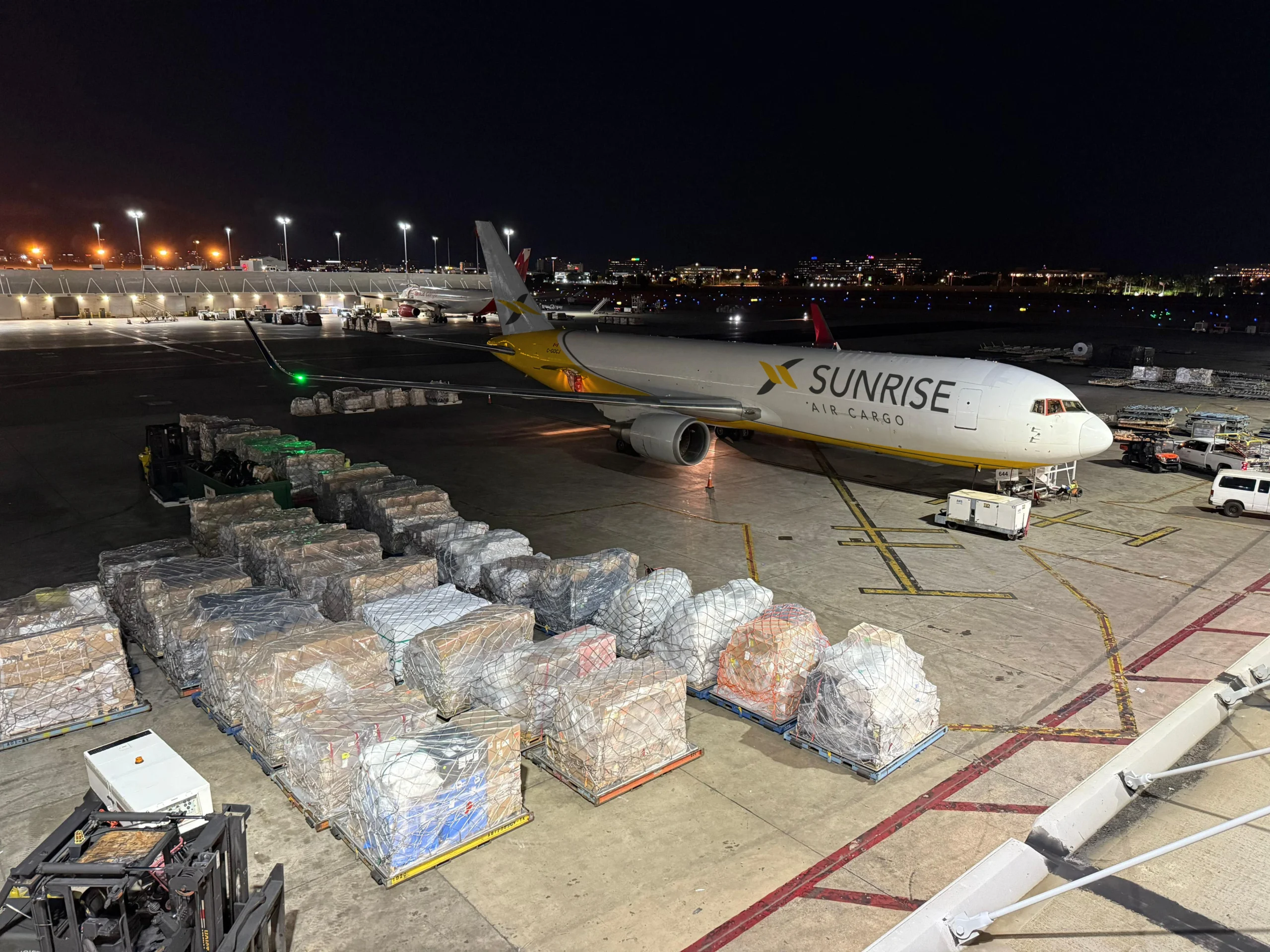
The global air cargo industry is entering a new phase of growth and transformation. As businesses continue adapting to evolving supply chain demands, the importance of speed, reliability, and capacity has never been greater. In 2026, logistics providers are facing increasing pressure to deliver faster transit times, maintain operational consistency, and provide flexible capacity solutions across dynamic global markets.
These changes are driving some of the most important air freight trends the industry has seen in recent years. From the expansion of ecommerce and time-critical logistics to the growing importance of route optimization and aircraft efficiency, air cargo continues to play a critical role in global commerce.
For companies moving goods internationally, understanding the latest air freight trends is essential for building resilient supply chains and maintaining a competitive advantage.
Why Air Cargo Continues to Grow
Global supply chains have become increasingly dependent on air transportation. While ocean and ground freight remain important, air cargo offers unique advantages that cannot easily be replicated by other transportation modes.
The most significant benefits include:
- Faster transit times
- Reliable delivery schedules
- Global connectivity
- Support for urgent shipments
- Reduced inventory lead times
These advantages are helping drive current air freight trends, particularly as businesses seek greater agility and responsiveness.
Organizations such as the International Air Transport Association continue reporting strong demand for air freight services as global trade and ecommerce volumes expand.
Trend 1: Speed Is Becoming a Competitive Requirement
In today’s marketplace, speed is no longer considered a premium service—it is increasingly becoming an expectation.
Consumers, manufacturers, distributors, and healthcare providers all depend on rapid transportation to maintain operations and satisfy customer demand.
One of the most important air freight trends in 2026 is the growing demand for shorter delivery windows.
Companies are increasingly prioritizing:
- Faster inventory replenishment
- Accelerated cross-border shipping
- Reduced lead times
- Rapid response logistics
This trend is particularly visible in ecommerce, where customers expect quick delivery regardless of geographic location.
As discussed in ecommerce air freight strategies, speed remains one of the most important drivers of logistics performance.
Trend 2: Reliability Matters as Much as Speed
While speed often receives the most attention, reliability is equally important.
A shipment that arrives quickly but inconsistently can create significant operational challenges.
Among today’s leading air freight trends is a growing focus on predictable logistics performance.
Reliable cargo operations help businesses:
- Reduce operational disruptions
- Improve inventory planning
- Strengthen customer satisfaction
- Minimize supply chain risk
At Sunrise Air Cargo, operational reliability remains a key focus area, particularly on strategic routes where customers depend on consistent transit performance.
As explored in air cargo performance strategies, consistency often provides greater long-term value than speed alone.
Trend 3: Capacity Has Become a Strategic Advantage
Capacity availability remains one of the most significant challenges facing logistics providers.
Fluctuating demand, regional disruptions, and changing trade patterns continue affecting cargo space availability.
As a result, one of the most important air freight trends in 2026 is the growing emphasis on dedicated and flexible capacity solutions.
Businesses increasingly seek logistics providers capable of offering:
- Consistent cargo space
- Dedicated aircraft availability
- Flexible route options
- Rapid deployment during demand spikes
This directly connects with air cargo capacity management, where securing available space has become a critical component of logistics planning.
Trend 4: Direct Routes Are Driving Efficiency
Route optimization continues playing a major role in air cargo operations.
Direct routes reduce:
- Transit time
- Handling complexity
- Operational risk
- Cargo transfers
As supply chains seek greater efficiency, direct connectivity is becoming one of the most influential air freight trends shaping international logistics.
The recent expansion of direct routes such as Miami Caracas cargo solutions demonstrates how strategic connectivity can improve cargo performance while reducing transit complexity.
Trend 5: Aircraft Performance Is More Important Than Ever
Aircraft selection has a direct impact on logistics performance.
Modern operators are increasingly evaluating aircraft based on:
- Payload capability
- Fuel efficiency
- Operational flexibility
- Route adaptability
These factors are contributing to several emerging air freight trends, particularly regarding fleet optimization and route deployment.
The Boeing 767-300ER remains a strong example of how aircraft performance supports operational efficiency.
As discussed in B767 cargo performance, aircraft capability directly influences speed, reliability, and overall cargo effectiveness.
For official Boeing cargo aircraft information: https://www.boeing.com/commercial/767
Trend 6: Visibility Is Becoming a Core Customer Expectation
Modern logistics customers expect real-time access to shipment information.
Visibility has evolved from a value-added service into a standard expectation.
Among today’s fastest-growing air freight trends is the demand for:
- Real-time tracking
- Shipment monitoring
- Operational transparency
- Predictive logistics information
Companies increasingly rely on visibility to improve planning and decision-making.
As explored in air cargo visibility, access to accurate shipment data helps strengthen supply chain performance.
Research from Statista highlights how digital transformation continues accelerating across transportation and logistics industries.
Trend 7: Time-Critical Logistics Continues Expanding
Industries operating under strict delivery deadlines continue driving demand for urgent transportation services.
Examples include:
- Aerospace
- Healthcare
- Manufacturing
- Technology
- Ecommerce
This expansion represents one of the most important air freight trends in 2026.
Businesses increasingly require logistics providers capable of supporting urgent shipments while maintaining operational reliability.
As discussed in time critical cargo solutions, rapid response logistics is becoming a major competitive differentiator.
Trend 8: Charter Services Are Supporting Supply Chain Flexibility
Traditional scheduled operations remain important, but many businesses now require additional flexibility.
Charter services continue growing because they offer:
- Dedicated aircraft
- Customized schedules
- Immediate deployment
- Direct routing
This flexibility is driving additional air freight trends, particularly among industries requiring urgent or specialized transportation.
As explored in air cargo charter services, charter operations provide valuable support during periods of fluctuating demand.
Trend 9: Sustainability Remains a Long-Term Priority
Environmental responsibility continues influencing the future of aviation.
Operators are increasingly focused on:
- Fuel efficiency
- Route optimization
- Aircraft utilization
- Sustainable aviation initiatives
While speed and reliability remain priorities, sustainability is becoming one of the defining air freight trends for the future.
Organizations such as the International Civil Aviation Organization continue promoting programs designed to improve aviation efficiency and environmental performance.
Trend 10: Regional Connectivity Is Becoming More Important
Regional trade corridors are becoming increasingly valuable as companies diversify supply chains and seek more resilient logistics networks.
This is particularly evident throughout Latin America and the Caribbean, where growing demand for direct air cargo services is creating new opportunities.
One of the most promising air freight trends involves strengthening regional connectivity through efficient route development and dedicated freighter operations.
These investments help businesses improve responsiveness while reducing logistics complexity.
What These Trends Mean for Shippers
The evolving landscape of air cargo presents both challenges and opportunities.
Companies that understand current air freight trends can:
- Improve logistics planning
- Reduce operational risk
- Enhance supply chain resilience
- Improve customer satisfaction
- Strengthen market competitiveness
Choosing the right logistics partner is increasingly important as supply chains become more dynamic and customer expectations continue rising.
How Sunrise Air Cargo Supports Modern Air Cargo Demands
At Sunrise Air Cargo, our focus remains on delivering the three qualities that matter most in today’s logistics environment:
- Speed
- Reliability
- Capacity
Through dedicated Boeing 767-300ER operations, strategic route development, advanced cargo visibility, and flexible logistics solutions, Sunrise Air Cargo helps businesses navigate the evolving demands of global transportation.
By aligning our operations with the most important air freight trends, we continue providing scalable and dependable cargo solutions across international markets.
Final Thoughts
The air cargo industry in 2026 is being shaped by rapid change, growing customer expectations, and increasing supply chain complexity. Businesses require logistics solutions that deliver faster transit times, consistent performance, and flexible capacity.
The most important air freight trends all point toward the same conclusion: speed, reliability, and capacity are no longer competitive advantages—they are essential requirements.
As global trade continues evolving, organizations that embrace these trends will be better positioned to strengthen their supply chains, improve operational performance, and succeed in an increasingly connected world.