
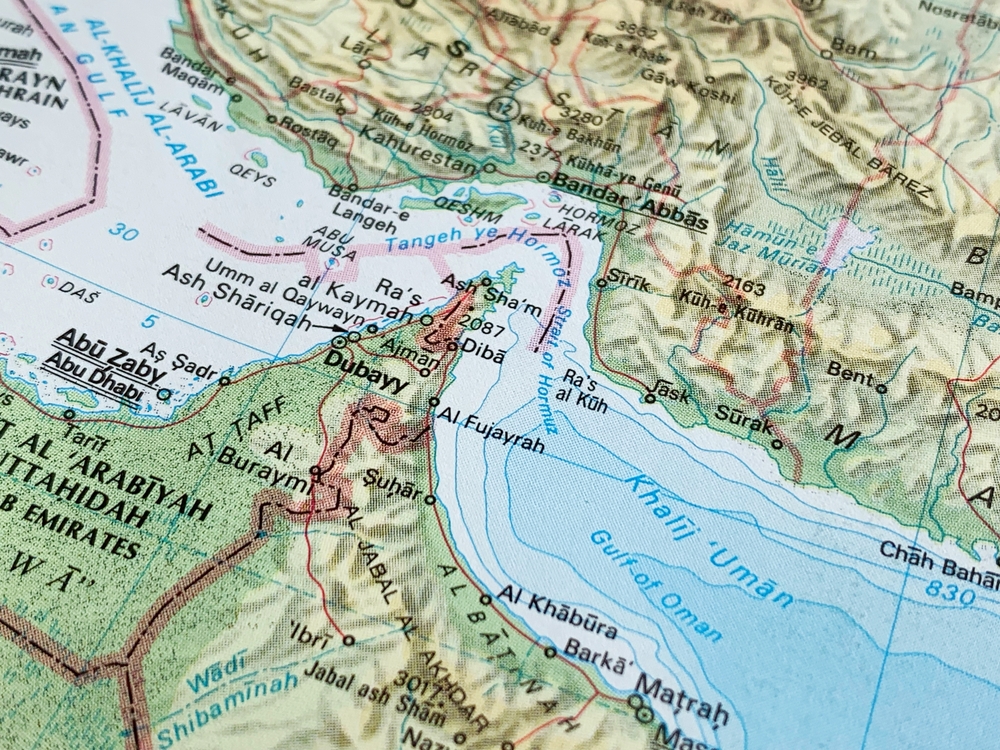
The Strait of Hormuz closure has emerged as one of the most significant threats to global supply chains in 2025. With Iran’s renewed threats to shut down this vital trade corridor in response to regional military actions, commercial vessels are rerouting or halting operations entirely. The effects are already being felt worldwide: rising fuel prices, delayed cargo deliveries, and mounting insurance premiums.
For shippers, this isn’t just a headline—it’s a real-time crisis.
As ocean freight through the Gulf becomes unreliable, the focus is shifting to faster, more secure transport alternatives. Air cargo is emerging as a lifeline, and Sunrise Air Cargo is leading the charge, offering urgent, scalable cargo solutions to keep global trade moving. In this blog, we explore the latest developments in the Strait of Hormuz closure, what it means for global logistics, and how Sunrise Air Cargo is providing the speed, flexibility, and resilience that today’s shippers need.
Editorial Update — October 2026
This article was originally published in June 2025 to examine geopolitical risks surrounding the Strait of Hormuz and their potential implications for global cargo transportation. References to shipping disruptions, insurance premiums, oil prices, and regional developments reflect the reporting and market concerns discussed at that time and should not be interpreted as confirmation of current conditions.
For businesses managing international supply chains, the broader lesson remains relevant: geopolitical uncertainty can affect transportation capacity, routing decisions, transit times, and logistics costs. Air cargo can provide an alternative for eligible, time-sensitive shipments when ocean freight operations face disruption, subject to available capacity and operational requirements.
1. What’s Happening at the Strait of Hormuz?
Located between Oman and Iran, the Strait of Hormuz closure has led to a major shift in maritime operations. Located between Oman and Iran, the Strait of Hormuz is one of the world’s most strategically important maritime corridors. According to the U.S. Energy Information Administration (EIA), approximately 20% of global petroleum liquids consumption passed through the strait in 2024, highlighting its importance to international energy markets and global trade.
Geopolitical tensions in the region can create significant uncertainty for shipping companies, freight forwarders, and businesses dependent on international supply chains.
Potential consequences of disruptions in the Strait of Hormuz include:
- Shipping route adjustments: Maritime operators may need to reconsider schedules, routing, and operational decisions.
- Higher transportation costs: Increased insurance premiums, fuel expenses, and operational requirements can affect shipping budgets.
- Longer delivery times: Changes in maritime operations may disrupt inventory planning and delivery commitments.
- Supply chain uncertainty: Businesses transporting time-sensitive or high-value goods may need alternative logistics strategies.
The Strait of Hormuz represents a critical geopolitical risk for international shipping. Periods of regional tension can create uncertainty for ocean freight operators and encourage shippers to evaluate alternative transportation strategies.
For additional context, businesses can consult the U.S. Energy Information Administration for information about global energy transit chokepoints and their importance to international trade.
2. The Cost of Delays: Why Shippers Need Air Cargo Now
Disruptions affecting major maritime trade corridors can have consequences far beyond the affected region. For businesses transporting high-value, time-sensitive, or production-critical cargo, unexpected ocean freight delays can create significant operational and financial challenges.
Potential challenges for ocean freight shippers include:
- Unpredictable delivery windows caused by changes in shipping schedules or routes.
- Port congestion when vessels are redirected toward alternative ports.
- Customs and documentation delays when shipments require revised routing or additional processing.
- Increased cargo exposure resulting from extended transit times and additional handling.
These disruptions can increase inventory carrying costs, affect customer relationships, and interrupt production schedules.
In these situations, air cargo can offer greater speed, flexibility, and shipment visibility for eligible cargo. For industries ranging from electronics to aerospace and medical supplies, air freight can become an important component of a broader supply chain contingency strategy, depending on available capacity, routing, and operational requirements.
3. Enter Sunrise Air Cargo: Your Air Cargo Partner in Crisis
Sunrise Air Cargo is a dedicated air cargo carrier with decades of experience supporting shippers through complex logistics scenarios. In the current global environment influenced by the Strait of Hormuz closure, we’re offering:
- Flexible charter services for urgent large-scale cargo
- Scheduled freight capacity on global lanes
- Expedited booking and handling
- Regulatory compliance expertise
- Real-time shipment tracking
We specialize in providing end-to-end cargo solutions tailored to meet the unique demands of each shipment—even under volatile conditions like the current Strait of Hormuz closure.
4. What Cargo is Shifting to Air?
As sea freight delays grow from the Strait of Hormuz closure, we’re seeing a broad range of goods migrate to air transport. Industries and products making the switch include:
A. Electronics & Semiconductors
Delays in chip supply chains can halt entire production lines. The shift to air is preventing costly downtime.
B. Medical & Pharmaceutical Supplies
Many medical products—particularly those used in critical care—require controlled transport and reliable delivery schedules.
C. Automotive & Aerospace Components
OEMs are turning to air freight to meet production timelines as maritime routes become unreliable.
D. Retail & E-commerce
Retailers racing to meet demand are choosing air cargo to stock shelves on time, especially ahead of major seasonal surges.
E. Humanitarian Aid & Relief Goods
With the Middle East in flux, NGOs are using air corridors to reach affected regions quickly and reliably.
Sunrise Air Cargo works closely with shippers to identify priority cargo and create optimized air solutions in light of the Strait of Hormuz closure.
5. How Sunrise Air Cargo Makes the Difference
A. Rapid Response and Scalable Capacity
Our services include freighters aircrafts ready for on-demand deployment. We can scale up quickly based on your shipment needs, whether it’s a few pallets or an entire aircraft.
B. Global Reach with Local Expertise
With partnerships at major airports around the world, Sunrise Air Cargo ensures seamless coordination at origin and destination points.
C. Regulatory & Customs Navigation
Our logistics experts help streamline customs documentation and ensure cargo compliance across jurisdictions.
D. Advanced Tracking and Visibility
Our clients enjoy full visibility over shipments in real-time—because when timelines are tight, transparency is non-negotiable.
E. Contingency Planning & Rerouting
Our team monitors global developments daily. If a region becomes unstable, as with the Strait of Hormuz closure, we adjust routing immediately to protect your cargo timelines.
6. Comparing Costs: Air vs Sea in a Disrupted Market
While air freight is typically more expensive than sea, the calculus is shifting. As maritime costs climb due to the Strait of Hormuz closure, air becomes more cost-efficient for high-value or high-priority goods.
Example: A delay of 14+ days by sea can cost thousands in missed contracts or factory downtime. The premium paid for air freight often offsets these hidden costs.
Sunrise Air Cargo provides clients with cost-benefit models to help justify air cargo investments in high-risk environments.
7. A New Era of Air Cargo Logistics
The current Strait of Hormuz closure isn’t just a one-off event—it’s part of a broader pattern of supply chain disruption. From pandemics to port strikes to military conflicts, uncertainty is the new normal.
This trend makes air cargo a critical component of any resilient logistics strategy.
Sunrise Air Cargo is investing in:
- AI-driven routing tools
- Sustainability initiatives to offset emissions
- Customs pre-clearance technology for faster handoffs
We are not just reacting—we’re preparing the next generation of global air freight solutions.
8. What Shippers Should Do Right Now
If your business depends on timely cargo delivery, now is the time to act:
- Review your current supply chain vulnerabilities
- Identify cargo lanes affected by the Strait of Hormuz closure
- Evaluate which shipments are eligible for air freight
- Establish a relationship with an air carrier you can trust
Sunrise Air Cargo can help you analyze your logistics and implement an air cargo plan that minimizes risk and maximizes performance.
9. Why Sunrise Air Cargo?
- 20+ years of experience in air cargo logistics
- Trusted by manufacturers, humanitarian organizations, and freight forwarders
- Proven crisis-response framework
- Competitive charter pricing with full-service support
We are more than an air cargo provider—we are your strategic partner in logistics resilience.
Conclusion: Turning Crisis into Opportunity
The Strait of Hormuz closure is another test for global supply chains—and many will fail. But shippers who pivot to air cargo early will maintain customer trust, protect revenue, and gain competitive ground.
Sunrise Air Cargo is ready to support you with tailored, reliable air cargo solutions that keep your business moving—even when the seas stand still.
📞 Let’s talk today. Contact Sunrise Air Cargo to schedule a free logistics assessment and see how we can help you navigate the Strait of Hormuz closure.