
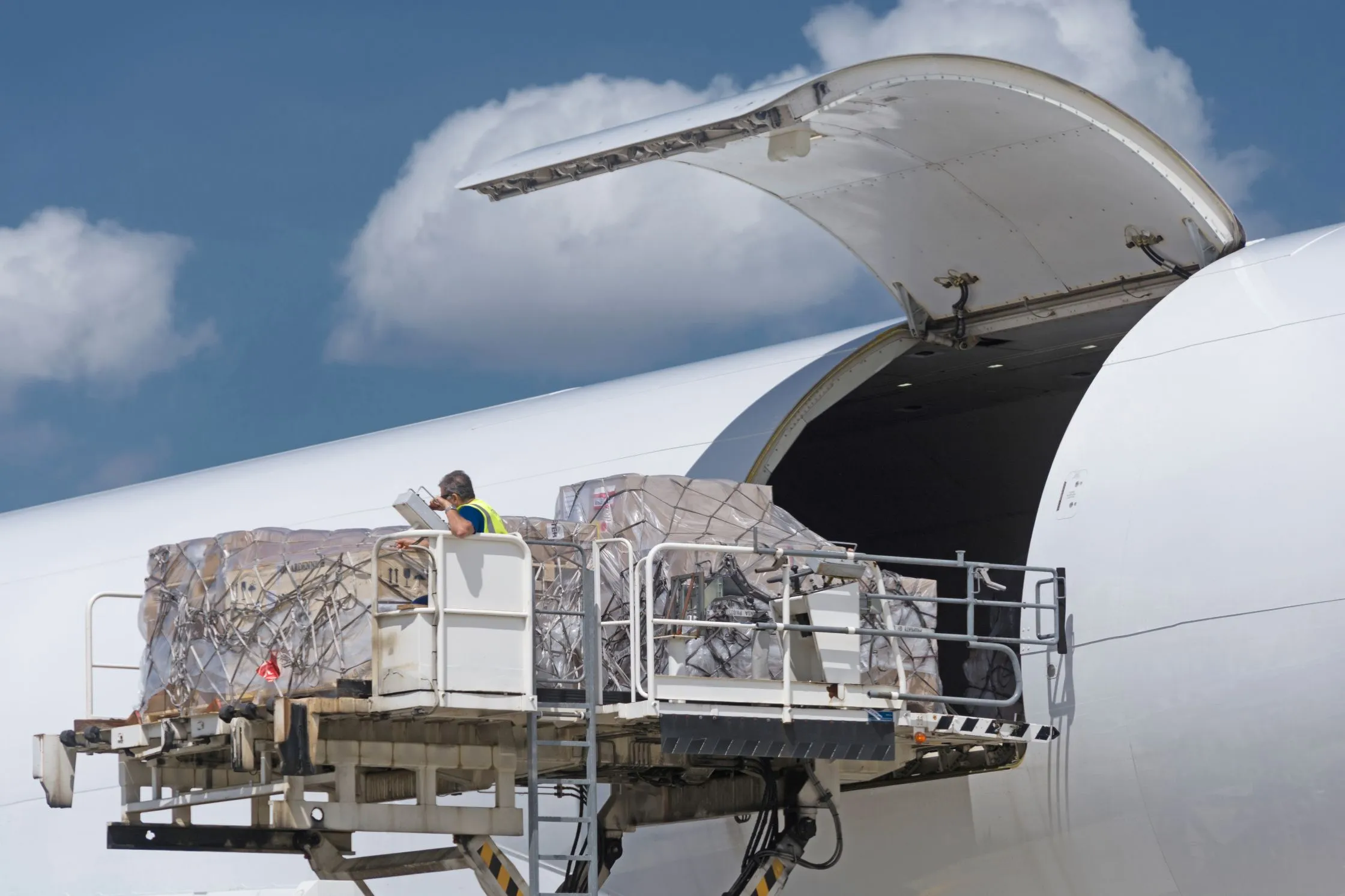
Cold chain air freight is essential for transporting temperature-sensitive goods that require controlled environments and precise handling throughout transit. From pharmaceuticals and biotechnology products to perishables and specialty foods, cold chain supports industries where temperature deviations can result in product loss, regulatory exposure, and financial risk.
As global supply chains become more complex and demand for rapid delivery increases, cold chain air freight plays a strategic role in maintaining product integrity while meeting strict delivery timelines.
Defining Cold Chain Air Freight
Cold chain air freight refers to the transportation of goods within defined temperature ranges from origin to destination, using specialized equipment, procedures, and monitoring systems. Unlike standard air freight, cold air freight integrates temperature control into every operational decision, from aircraft selection to ground handling coordination.
Effective air freight operations depend on seamless collaboration between airlines, handling agents, and logistics partners to ensure continuity across all stages of transport.
Why Cold Chain Air Freight Is Time-Critical
Many temperature-sensitive products have limited tolerance for delays or exposure outside approved temperature ranges. Cold air freight minimizes transit time while reducing the number of handling points where deviations are most likely to occur.
Time-critical air freight operations focus on route optimization, priority handling, and proactive risk management. Speed is essential, but it must be balanced with process control to prevent temperature excursions during ground time or aircraft transfers.
Temperature Ranges and Risk Points
Cold chain typically involves multiple temperature bands, including frozen, chilled (2–8°C), and controlled room temperature. Each range presents unique challenges during air transport.
Risk points in cold air freight include loading and unloading, apron exposure, customs clearance delays, and airport congestion. Managing these risks requires validated packaging solutions, temperature-controlled facilities, and continuous monitoring throughout the journey.
Outbound reference:
Aircraft Capabilities and Handling Procedures
Aircraft selection plays a critical role in cold chain air freight. Wide-body cargo aircraft with compatible unit load devices (ULDs) support stable environments for temperature-sensitive cargo. Proper aircraft configuration and airflow management contribute to maintaining consistent conditions during flight.
Ground handling procedures are equally important in cold operations. Trained personnel, dedicated cool areas, and priority loading reduce exposure time and help maintain temperature integrity during airport operations.
Outbound reference:
Monitoring and Visibility
Real-time monitoring is a cornerstone of modern air freight. Data loggers, GPS-enabled tracking, and integrated monitoring platforms provide visibility into shipment conditions throughout transit.
Cold chain air freight providers use monitoring data to identify potential deviations early and implement corrective actions. This proactive approach reduces the likelihood of product loss and enhances accountability across the supply chain.
Outbound reference:
Industries That Depend on Cold Chain Air Freight
Cold chain supports a wide range of industries, including pharmaceuticals, biotechnology, fresh food, seafood, flowers, and specialty chemicals. Each sector relies on cold chain air freight to meet market demands while preserving product quality and compliance.
As consumer expectations for freshness and reliability increase, cold chain air freight continues to expand in both scope and strategic importance.
Regulatory and Quality Considerations
Air freight operations must align with regulatory requirements and quality standards applicable to temperature-sensitive products. Compliance frameworks emphasize documentation, training, and validated processes to ensure consistent handling.
Airlines engaged in cold air freight must maintain audit readiness and quality management systems that support traceability and accountability throughout the transport process.
Outbound reference:
The Role of Charter Solutions in Cold Chain Freight
Charter operations offer added flexibility for cold chain freight, particularly for urgent shipments or routes with limited scheduled capacity. Dedicated aircraft allow greater control over schedules, routing, and onboard conditions, reducing dependency on congested hubs or multi-stop itineraries.
For high-risk or high-value air freight shipments, charter solutions can minimize exposure and provide tailored handling environments aligned with specific cargo requirements.
Airline Expertise and Operational Discipline
Successful cold chain air freight operations depend on airline expertise and operational discipline. Experienced crews, coordinated ground teams, and proactive planning enable rapid response to changing conditions without compromising temperature control.
Airlines with specialized cold chain air freight capabilities integrate aviation operations with logistics expertise, ensuring that speed, compliance, and product integrity are aligned.
Cold Chain Air Freight as a Strategic Advantage
Cold chain air freight is no longer a niche service but a strategic differentiator in global logistics. Companies that rely on temperature-sensitive supply chains depend on airlines capable of delivering consistent, compliant, and time-critical solutions.
By combining aircraft capability, process control, and monitoring technologies, cold chain air freight supports the reliable movement of essential goods across global markets.