
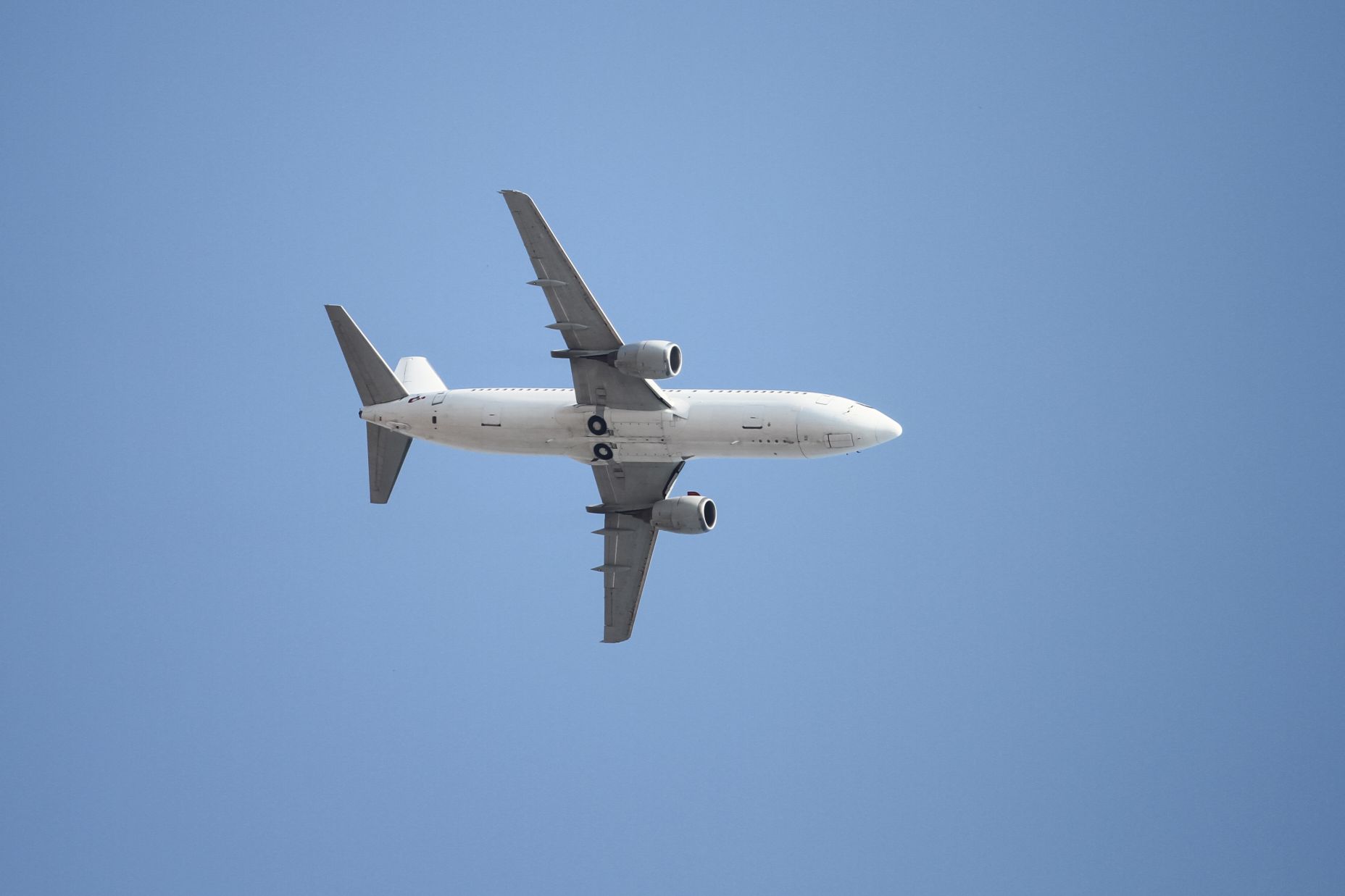
The logistics landscape is shifting beneath our feet. As we enter the first quarter of the year, industry analysts and airline executives are aligning on a singular prediction: we are about to see significantly higher Q1 air cargo volumes. For logistics managers, supply chain directors, and business owners, understanding the drivers behind this surge is critical for maintaining efficiency and controlling costs in the coming months.
Historically, the first quarter represents a cooling-off period after the frantic holiday peak season. However, 2026 is shaping up to break that tradition. A confluence of global economic factors, shifting consumer behaviors, and recovering manufacturing sectors is driving demand upward. At Sunrise Air Cargo, we are closely monitoring these trends to ensure our partners stay ahead of the curve. This article explores why the industry is bracing for higher Q1 air cargo volumes and what it means for your supply chain strategy.
The Shift in Global E-Commerce Dynamics
The most persistent driver of air freight demand remains the relentless growth of e-commerce. While online shopping peaks in Q4, the “return season” and post-holiday clearance sales now extend well into January and February. Consumers are no longer just buying gifts; they are capitalizing on New Year sales and spending gift cards, keeping the cargo holds full.
This year, however, we are seeing a structural shift. Cross-border e-commerce is expanding at a faster rate than domestic shipping in many key markets. Consumers in North America and Europe are increasingly comfortable purchasing directly from manufacturers in Asia. This direct-to-consumer model relies heavily on air freight speed to meet delivery expectations. Consequently, carriers are reporting higher Q1 air cargo volumes as they move these individual parcels across the Pacific and Atlantic.
Furthermore, inventory replenishment strategies have changed. Retailers who sold through their stock during the holidays are rushing to restock for the spring season. In previous years, this restocking might have moved via ocean freight. But with interest rates influencing the cost of holding inventory, businesses are opting for “just-in-time” restocking via air to keep inventory lean. This strategic shift is a primary contributor to the higher Q1 air cargo volumes we are currently witnessing.
According to recent data from WorldACD, the trend of elevated tonnages has persisted past the traditional peak, signaling a robust start to the year. This resilience in demand suggests that the e-commerce floor has been raised, and what we once considered a peak volume is becoming the new normal.
Manufacturing Recovery and High-Tech Demand
Another significant factor pushing higher Q1 air cargo volumes is the resurgence in global manufacturing, particularly in the high-tech and automotive sectors. After periods of component shortages and production slowdowns, factories are ramping up output.
The semiconductor industry, in particular, is seeing a rebound. Chips are high-value, low-weight items that are almost exclusively transported by air. As production facilities in Taiwan, South Korea, and Japan increase their output to meet the demands of AI development and electric vehicle manufacturing, the demand for air cargo space intensifies. This is not just about finished goods; the movement of raw materials and specialized machinery parts is also contributing to higher Q1 air cargo volumes.
We are also seeing the “China Plus One” strategy mature. As companies diversify their manufacturing bases to countries like Vietnam, India, and Mexico to mitigate risk, supply chains are becoming more fragmented. While this adds resilience, it also adds complexity. Components often need to be moved quickly between different countries for assembly before reaching the final market. This intricate web of intra-regional movement relies on the speed of air transport, naturally leading to higher Q1 air cargo volumes.
For a deeper dive into manufacturing trends, the Institute for Supply Management (ISM) provides excellent monthly reports on manufacturing activity that correlate strongly with air freight demand. When the PMI (Purchasing Managers’ Index) stays above 50, indicating expansion, logistics providers almost always see a corresponding uptick in cargo requirements.
The Lunar New Year Effect
The timing of the Lunar New Year is always a critical variable in Q1 logistics planning. In 2026, the holiday falls relatively early. This creates a compressed window for shipping before factories in China and much of East Asia shut down for two weeks or more.
This pre-holiday rush creates a massive spike in demand. Importers race to get their goods out of Asia before the shutdowns begin, leading to higher Q1 air cargo volumes in January. However, the effect continues even after the holiday. Once factories reopen, there is often a frantic backlog of orders that need to be cleared quickly. To make up for lost time during the closure, many businesses switch from ocean to air freight to get their products on shelves, sustaining higher Q1 air cargo volumes well into late February and March.
It is also worth noting that the passenger side of the airline business influences cargo capacity. During the Lunar New Year, passenger travel skyrockets within Asia and internationally. While this increases belly capacity (cargo space on passenger planes), the sheer volume of baggage often limits the amount of freight that can be carried. This creates a squeeze on available space just as demand is peaking, driving competition for slots and highlighting the reality of higher Q1 air cargo volumes.
For insights on how holidays impact freight rates, Freightos offers real-time data on air freight pricing indexes that reflect these seasonal crunches.
Ocean Freight Volatility and Modal Shift
Air cargo does not exist in a vacuum; it is part of a larger ecosystem that includes ocean shipping. When ocean freight faces challenges, air cargo often picks up the slack. Currently, instability in key maritime routes is driving a modal shift that is contributing to higher Q1 air cargo volumes.
Recent geopolitical tensions and environmental restrictions in major shipping canals have caused delays and increased insurance costs for ocean vessels. For time-sensitive goods, the risk of a container getting stuck at a port or diverted on a longer route is simply too high. Shippers who might typically use ocean freight for 90% of their goods are now diverting 10-15% to air freight to ensure continuity of supply. This seemingly small percentage shift translates into a massive increase in tonnage for airlines, resulting in significantly higher Q1 air cargo volumes.
Additionally, the reliability of air cargo schedules compared to ocean freight continues to be a selling point. In a business environment where improved cash flow is king, the ability to turn inventory over quickly justifies the higher cost of air transport. As businesses prioritize speed to market over pure transportation savings, we see a structural preference that supports higher Q1 air cargo volumes.
The International Air Transport Association (IATA) regularly publishes analyses on these modal shifts, highlighting how maritime disruptions directly feed into air cargo growth statistics.
Inventory Restocking Cycles
The post-pandemic economy has seen wild swings in inventory management—from “just-in-time” to “just-in-case” and now back toward a hybrid model. Retailers spent much of the last two years destocking, trying to shed the excess inventory they accumulated during the supply chain crisis. That cycle appears to be ending, a shift that is already beginning to influence Q1 Air Cargo demand.
Inventory-to-sales ratios are normalizing, meaning businesses need to start buying again. However, because economic forecasts remain cautiously optimistic rather than booming, companies are hesitant to commit to massive ocean containers full of goods months in advance. Instead, they are placing smaller, more frequent orders that can be adjusted based on real-time sales data.
These smaller, frequent orders are perfectly suited for air transport. This approach allows brands to react to viral trends—like a sudden spike in demand for a specific fashion item seen on social media—within days rather than weeks. This reactive supply chain model is a major engine behind the higher Q1 air cargo volumes we are observing. It requires agility that only air cargo can provide.
Furthermore, specific industries like pharmaceuticals and perishables are seeing organic growth. The demand for cold-chain logistics continues to rise globally. As healthcare networks expand and consumers demand fresh produce year-round, the baseline volume for these temperature-controlled shipments increases, underpinning the forecast for higher Q1 air cargo volumes.
Capacity Constraints and Rate Implications
While demand is rising, Q1 air cargo supply—specifically cargo capacity—presents a mixed bag. Airlines have been aggressive in restoring passenger networks, which brings belly capacity back to the market. However, many dedicated freighters that were brought out of retirement during the pandemic are being parked again due to age and fuel inefficiency.
This balancing act means that while capacity is growing, it might not be growing in the specific lanes where demand is hottest. For example, trans-pacific routes often face capacity tightness despite the overall global increase in flights. This mismatch between where the capacity is and where the goods are needed exacerbates the feeling of a crunch and supports the data showing higher Q1 air cargo volumes relative to available space.
For shippers, this means that rates in Q1 might be higher than historical averages for this time of year. Understanding that higher Q1 air cargo volumes are expected allows logistics managers to lock in block space agreements (BSAs) or negotiate contracts early, rather than relying on the spot market where prices can be volatile.
Conclusion: Preparing for a Busy Quarter
The evidence is clear: the air cargo industry is not slowing down for the winter. Driven by e-commerce resilience, a manufacturing rebound, strategic modal shifts from ocean to air, and inventory restocking, airlines are rightfully expecting higher Q1 air cargo volumes.
For businesses, this is a signal to be proactive. Waiting until a shipment is urgent to book space could result in higher costs or delays. At Sunrise Air Cargo, we recommend auditing your Q1 shipping needs now. Look at your product launches, your inventory levels, and your manufacturing schedules. If you anticipate needing air freight, communication with your logistics provider is key.
The era of predictable seasonality seems to be behind us, replaced by a dynamic environment where agility is the most valuable currency. By anticipating higher Q1 air cargo volumes, you can position your supply chain to be a competitive advantage rather than a bottleneck. Whether you are shipping high-tech components, fashion, or perishables, the sky is open, but it is getting crowded.
Stay informed, plan ahead, and partner with experts who understand the nuances of this evolving market. The projection of higher Q1 air cargo volumes is not just a statistic; it is an operational reality that requires attention and action today.
For further reading on global trade patterns, The Journal of Commerce (JOC) remains an essential resource for logistics professionals navigating these changes.