
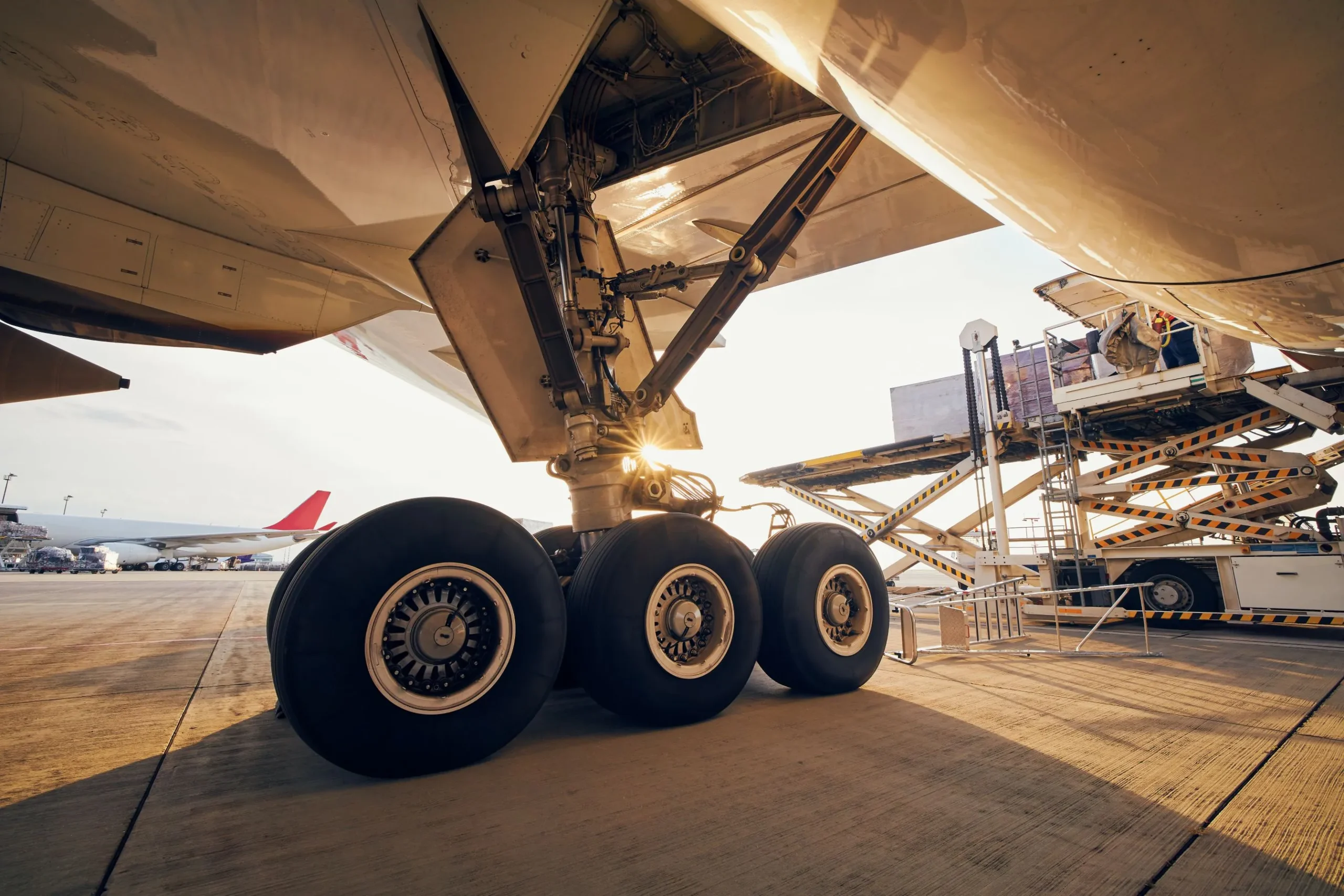
Valentine’s Day is a celebration of affection, often expressed through timeless gifts like fresh flowers and gourmet chocolates. Have you ever wondered about the journey these delicate items take to arrive in perfect condition? The answer lies in a complex and highly coordinated logistics network where speed and temperature control are paramount. Air cargo, specifically Cold Chain Air Freight, is the unsung hero that ensures your thoughtful gifts are as fresh and beautiful as intended.
The global demand for Valentine’s Day products puts immense pressure on supply chains. Millions of roses travel from equatorial regions in South America and Africa, while fine chocolates are shipped from chocolatiers across Europe. These items are highly perishable, making Cold Chain Air Freight essential for their transport. A single misstep in their journey—a delay or a temperature fluctuation—can ruin their quality, leading to wilted petals and melted confections. This is where the efficiency of air transport becomes indispensable, making it possible to connect distant farms and factories with consumers in a matter of hours, not weeks. Learn more about flower transportation and supply chains from the International Floriculture Expo.
This post will explore the critical role of air cargo in the Valentine’s Day supply chain. We will delve into the intricacies of transporting perishable goods, highlighting why Cold Chain Air Freight is the gold standard for preserving freshness. We’ll examine the journey of flowers and chocolates, the specific challenges involved, and how specialized logistics solutions ensure these symbols of love arrive flawlessly for the special day.
The Global Journey of Valentine’s Day Staples
Valentine’s Day products don’t just appear on store shelves; they undertake a remarkable global journey. The majority of the world’s cut flowers, especially roses, are grown in countries like Colombia, Ecuador, and Kenya. These locations offer ideal equatorial climates with consistent sunlight and temperatures, perfect for cultivating high-quality blooms year-round. To ensure these delicate flowers remain fresh, they are transported via Cold Chain Air Freight, maintaining optimal conditions throughout their journey. Similarly, many of the world’s most sought-after chocolates originate from Belgium, Switzerland, and France, where craftsmanship and quality ingredients are a matter of national pride.
To get these products to international markets in North America, Europe, and Asia, logistics providers face a race against time. For flowers, the clock starts ticking the moment they are cut. Every hour that passes reduces their vase life. For chocolates, exposure to heat can cause “bloom,” a harmless but unappealing whitish coating, or worse, cause them to melt entirely. Ground or sea transport is simply too slow for these time-sensitive goods. A sea voyage can take weeks, which is far too long for a product with a shelf life measured in days.
This is why air cargo is the only viable option. A freighter aircraft can transport a massive shipment of roses from Bogotá, Colombia, to Miami in just a few hours. This speed is essential for minimizing the time between harvest and sale, ensuring that consumers receive flowers at their peak freshness. The use of Cold Chain Air Freight is fundamental to this process, maintaining a consistent, cool environment from the farm to the final destination. The International Air Transport Association (IATA) details how perishables rely on air freight for timely delivery.
What is Cold Chain Air Freight and Why Is It Essential?
The term “cold chain” refers to an uninterrupted series of refrigerated production, storage, and distribution activities. When applied to air transport, Cold Chain Air Freight involves using temperature-controlled facilities and equipment to move perishable goods by plane. This isn’t just about keeping things cold; it’s about maintaining a specific, constant temperature range tailored to the product.
The Science of Preservation
Different products have different needs. For cut flowers like roses, the ideal temperature is typically between 1-3°C (34-38°F). This cool environment slows down their metabolic processes, including respiration and water loss, which keeps them from wilting and extends their freshness. If the temperature rises, the flowers “wake up” and begin to age rapidly. If it drops too low, they can suffer from frost damage.
Gourmet chocolates are equally sensitive. They are best stored at a cool and consistent temperature, usually around 15-18°C (59-64°F), with low humidity. Heat can cause the cocoa butter to separate and rise to the surface, creating bloom. Conversely, if chocolates get too cold and are then moved to a warmer environment, condensation can form, which dissolves sugar and leaves a gritty texture. Therefore, precision is key. A successful Cold Chain Air Freight operation ensures these exact conditions are met throughout the entire transit process.
The Links in the Chain
A robust cold chain is only as strong as its weakest link. For Valentine’s Day goods, the chain includes:
- Pre-conditioning at the Source: Flowers are immediately placed in refrigerated rooms after being harvested. Chocolates are cooled to their optimal transport temperature at the factory.
- Refrigerated Transport to the Airport: Specialized trucks maintain the required temperature while moving goods from the farm or factory to the airport cargo terminal.
- Airport Cold Storage: Airports have dedicated cold storage facilities where perishables are held before being loaded onto the aircraft. These facilities are crucial for managing the tight schedules of cargo flights.
- Temperature-Controlled Aircraft Holds: Modern cargo aircraft are equipped with advanced temperature control systems that can maintain precise conditions in different sections of the hold.
- Expedited Unloading and Transfer: Upon arrival, shipments are quickly moved from the aircraft to another refrigerated facility to avoid any break in the temperature-controlled environment.
- Final Mile Delivery: The last leg of the journey, to distribution centers and retailers, is also completed using refrigerated vehicles.
Maintaining this unbroken chain requires significant investment in technology and infrastructure, which is why specialized providers of Cold Chain Air Freight are so valuable. For more on how cold chain logistics protect perishable goods, read this guide from DHL.
The Challenges of Shipping Perishables for a Peak Season
Valentine’s Day represents one of the biggest annual peaks for the air cargo industry, especially for Cold Chain Air Freight. The sheer volume of temperature-sensitive goods like flowers and chocolates being shipped in a compressed timeframe creates enormous logistical challenges. According to the International Air Transport Association (IATA), the weeks leading up to February 14th see a massive surge in demand for air freight capacity to handle these perishable items.
Capacity and Congestion
Airlines and freight forwarders must plan months in advance to secure enough aircraft space. During this period, the demand for Cold Chain Air Freight can outstrip supply, leading to higher costs and potential delays. Airports in key export hubs like Bogotá and Amsterdam become incredibly congested. Efficient ground handling and customs clearance are critical to keep shipments moving and prevent backlogs that could compromise the cold chain.
Regulatory and Customs Hurdles
International shipments of agricultural products like flowers are subject to strict customs and phytosanitary inspections. These checks are necessary to prevent the spread of pests and diseases but can add time to the transit process. A delay at customs can be disastrous if the goods are left on a warm tarmac. Experienced logistics partners work closely with customs officials to pre-clear shipments and ensure all documentation is in order, expediting the process and protecting the integrity of the Cold Chain Air Freight. Read about customs and trade regulations impacting fresh flower imports at the U.S. Customs and Border Protection site.
The Human Element
Technology is vital, but so are the people who manage the process. Well-trained staff, from cargo handlers to pilots, understand the delicate nature of these shipments. They know that a pallet of roses cannot be left sitting outside for even a few minutes in a warm climate. This expertise is a core component of a reliable Cold Chain Air Freight service. The commitment to quality control at every step ensures that the promises of freshness made to the consumer are kept.
The Role of Technology in Modern Cold Chain Logistics
The evolution of technology has revolutionized Cold Chain Air Freight. Today, logistics providers can offer unprecedented visibility and control over perishable shipments.
Real-Time Monitoring
One of the most significant advancements in Cold Chain Air Freight is the use of IoT (Internet of Things) sensors. These small, wireless devices can be placed inside shipments to monitor temperature, humidity, and location in real time. The data is transmitted to a central dashboard, allowing shippers and logistics providers to track the condition of their goods throughout the journey. If a temperature deviation occurs, an alert is triggered, enabling proactive intervention to save the shipment. This level of transparency provides peace of mind and accountability.
Advanced Packaging Solutions
Beyond refrigerated containers, innovative packaging plays a key role. Insulated thermal blankets can be wrapped around pallets to protect them from temperature fluctuations during loading and unloading. Phase-change materials (PCMs) can absorb and release thermal energy to maintain a specific temperature for an extended period without an external power source. These solutions provide an extra layer of security for sensitive Cold Chain Air Freight shipments, especially during unavoidable moments of exposure on the airport tarmac.
Data Analytics for Optimization
Logistics companies are also leveraging data analytics to improve their operations. By analyzing historical shipping data, they can predict demand, optimize flight routes, and identify potential bottlenecks in the supply chain. This data-driven approach helps make Cold Chain Air Freight more efficient, reliable, and cost-effective. For an event as predictable as Valentine’s Day, this analytical foresight is invaluable for smooth execution.
Sunrise Air Cargo: Your Partner in Perishable Logistics
Ensuring that Valentine’s Day flowers and chocolates reach their destination in perfect condition is a complex task that requires expertise, precision, and the right infrastructure. It is a testament to the power of modern logistics and the critical importance of air cargo. The speed of flight, combined with the integrity of an unbroken cold chain, makes it all possible. Without a reliable Cold Chain Air Freight network, the global celebration of Valentine’s Day as we know it would not be feasible.
At Sunrise Air Cargo, we specialize in handling time-sensitive and temperature-controlled shipments. We understand the unique demands of perishables and have built our services to provide the reliability and care your products deserve. Our expertise in Cold Chain Air Freight ensures that whether you are shipping roses from Ecuador or truffles from Switzerland, your cargo is managed with the utmost professionalism. We combine advanced technology with experienced personnel to maintain the integrity of your products from origin to destination.
This Valentine’s Day, as you admire a beautiful bouquet or savor a delicious chocolate, take a moment to appreciate the incredible journey it has taken. It’s a journey made possible by the dedication of logistics professionals and the swift, careful handling provided by Cold Chain Air Freight. Partner with us to ensure your valuable cargo is always in the best hands.